Burnout
Corporate Burnout in 2026
Corporate burnout is rising in 2026. Discover why companies are choosing energy healing like Reiki and Access Bars over generic wellness perks.
22 June 2026
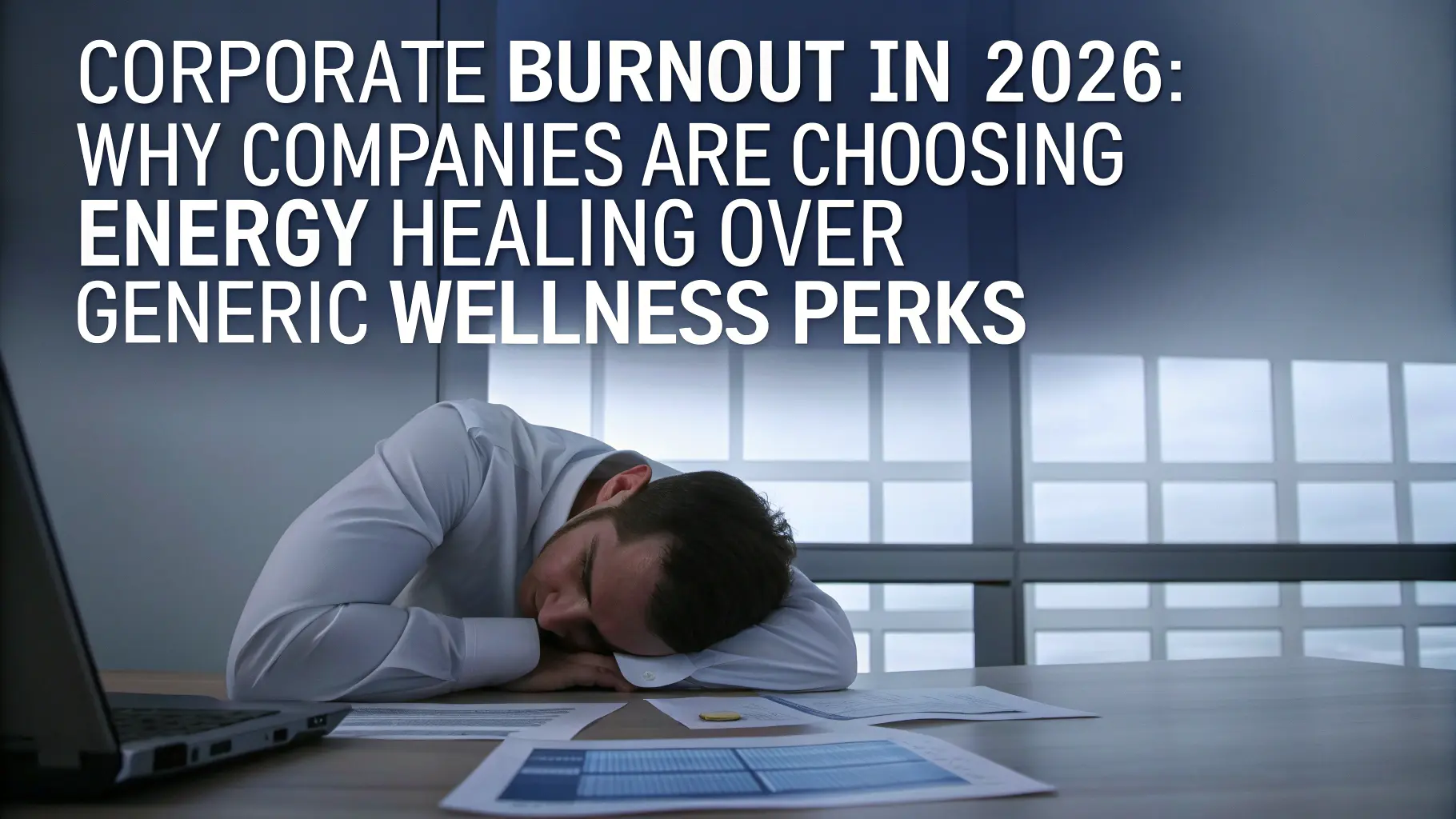
Walk into any HR meeting in 2026 and you will hear the same word repeated, burnout. Free gym memberships, occasional yoga days, and motivational posters in the break room used to be enough to check the "employee wellness" box. They are not anymore. Corporate burnout has moved from being a personal struggle to a boardroom concern, and companies are realising that generic perks rarely touch the root of the problem. Increasingly, organisations across Delhi and other major cities are turning to energy healing, Reiki, Access Bars, and nervous-system-focused practices, to address burnout in a way that actually lasts.
Why Corporate Burnout Has Become a Business Problem
Corporate burnout is no longer just an HR statistic. It directly affects productivity, retention, and the overall culture of a workplace. Employees experiencing burnout tend to disengage quietly long before they resign. They show up, but they are not fully present. For leadership teams watching attrition numbers rise, this slow decline is far more costly than a single dramatic exit.
What makes corporate burnout different from ordinary tiredness is its persistence. Rest over a weekend helps a little, but the exhaustion returns by Tuesday. This is a strong signal that the issue runs deeper than scheduling, it sits in the nervous system.
The Problem With Generic Wellness Perks
Most traditional wellness perks were designed for physical fitness, not emotional or energetic exhaustion. A gym pass does not address racing thoughts at 2 a.m. A pizza party does not reduce the tension an employee carries into every meeting. These perks are well-intentioned, but they often treat the surface symptoms rather than the underlying cause.
Here is a quick comparison of how generic perks differ from energy-healing-based interventions:
- Gym memberships — Physical fitness — Improved stamina, limited stress relief
- Free snacks or parties — Morale, short-term mood — Temporary boost, no lasting change
- Generic wellness webinars — Awareness — Knowledge gain, low behaviour change
- Energy healing sessions — Nervous system, emotional load — Deeper calm, sustained focus
This is not to say traditional perks have no value. They simply were never designed to address chronic, accumulated workplace stress at its root.
What Is Driving the Shift Toward Energy Healing
A few clear factors are pushing companies to rethink their wellness strategy in 2026:
- Rising awareness around nervous system regulation and its link to focus and decision-making
- Younger employees actively requesting mental and emotional wellness support, not just physical fitness perks
- HR teams measuring burnout more seriously through engagement surveys and attrition data
- A cultural shift toward holistic, root-cause wellness rather than temporary fixes
- Leadership recognising that a calm, regulated team performs better under pressure than a constantly "pushed" one
Energy healing practices fit naturally into this shift because they work directly with the body's stress response, not just the symptoms sitting on top of it.
How Energy Healing Addresses Corporate Burnout
Calming an Overloaded Nervous System
Years of back-to-back meetings, constant notifications, and unspoken pressure to "always be available" keep the nervous system in a low-grade alert state. Practices like Reiki gently bring the body out of this state, allowing employees to think more clearly and react less reactively.
Releasing Mental Clutter
Access Bars sessions are particularly effective for employees dealing with decision fatigue and mental overwhelm. By working through points on the head linked to different areas of thought and emotion, sessions help clear out stuck patterns that quietly drain energy throughout the workday.
Creating Space for Genuine Recovery
Unlike a one-off team outing, energy healing sessions offer employees a structured pause, a space where they are not expected to perform, respond, or multitask. This kind of recovery is rare in most corporate environments and is often what makes the biggest difference.
What a Corporate Energy Healing Program Can Look Like
Companies are not necessarily replacing their existing wellness budgets, they are restructuring them. A simple program might include:
- Monthly on-site or virtual Reiki sessions for teams
- Quarterly Access Bars workshops for leadership and high-pressure departments
- Short nervous-system reset sessions before major product launches or deadlines
- One-on-one sessions offered as part of an employee assistance program
- Awareness sessions explaining how energy healing complements existing mental health support
This structure allows companies to address corporate burnout proactively, rather than waiting until an employee is already at a breaking point.
Measuring the Impact
Unlike abstract wellness initiatives, the impact of energy healing on burnout is often visible within a few sessions. Common feedback from corporate groups includes improved sleep, reduced irritability, better focus during meetings, and a noticeable drop in the "constantly on edge" feeling many employees describe. For HR teams, this can translate into lower short-term sick leave, improved engagement scores, and stronger retention over time.
Keep reading