
Corporate
Corporate Wellness Programs for Employees: A Complete Guide for Modern Workplaces
A complete guide to corporate wellness programs for employees—how they reduce stress, prevent burnout, and improve focus and workplace performance.
By Sonali Mittra · 4 February 2026
Employees are not failing, the system around them is
In today’s workplaces, most employees are not struggling because they lack motivation or discipline. They are struggling because they are operating under constant mental and emotional pressure.
Deadlines overlap. Expectations keep rising. Availability is assumed at all hours. On the surface, work continues. Inside, focus drops, fatigue builds, and emotional engagement slowly disappears.
This is where a well-designed wellness program has become a necessity rather than an optional extra. Organisations that want sustainable performance, not short-term output, are now treating employee wellbeing as part of how work gets done. Modern wellness is not about perks. It is about protecting the human system that drives results.
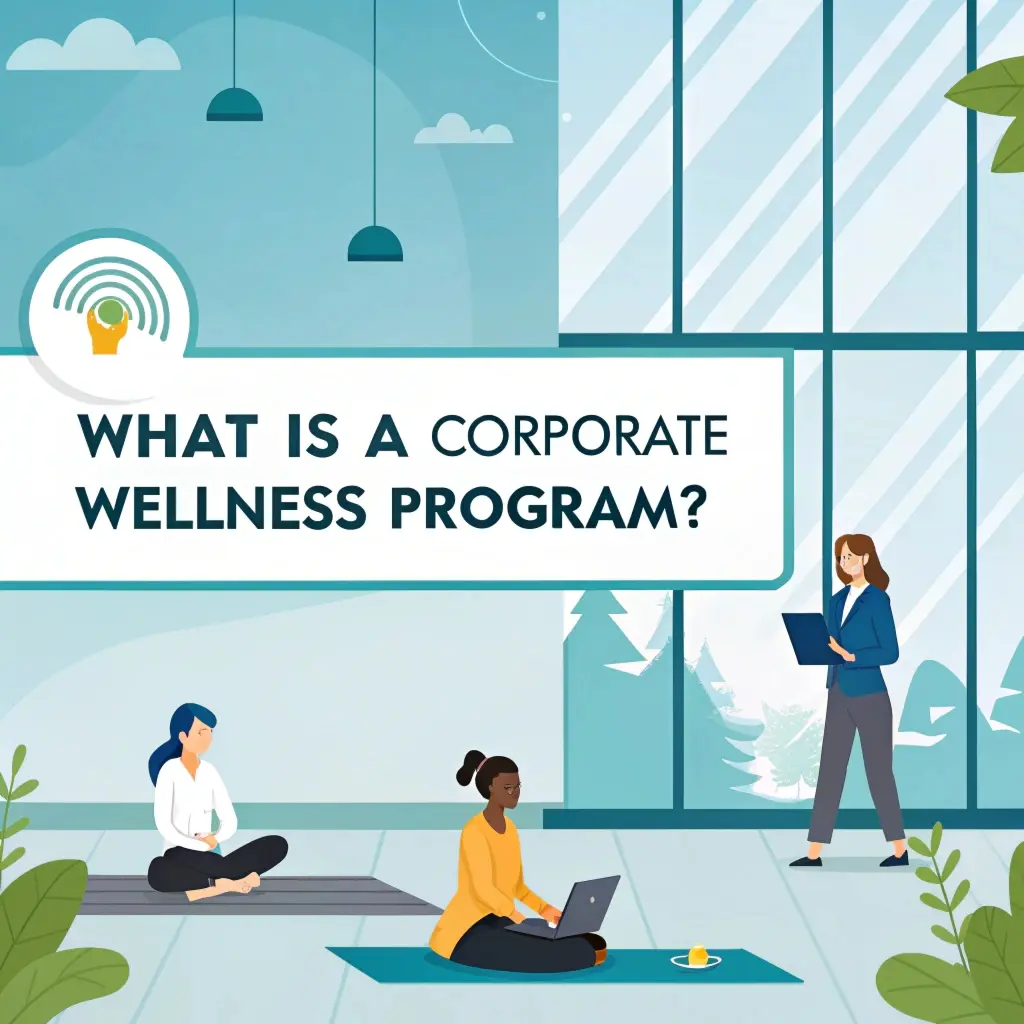
If you want the basics first, read what a corporate wellness program is, then continue with this guide.
Request a Corporate Wellness Workshop
What are corporate wellness programs for employees?
Corporate wellness programs for employees are structured initiatives designed to support mental clarity, emotional stability, and stress regulation at work.
Unlike traditional approaches that focus only on physical health or motivation, modern wellness programs address:
- Mental overload and decision fatigue
- Emotional exhaustion and disengagement
- Chronic stress affecting focus and accuracy
- Burnout developing silently over time
The goal is not to slow employees down. The goal is to help them function clearly and consistently without breaking down.
Why modern workplaces need wellness programs urgently
The World Health Organization estimates that around 12 billion working days are lost every year to depression and anxiety, at a cost of roughly US$1 trillion in lost productivity.
Yet in most modern workplaces, stress rarely appears as a sudden collapse. More often, it builds quietly over time. Employees remain physically present but mentally drained, operating under constant cognitive pressure. Small mistakes increase, creativity reduces and engagement slowly becomes mechanical. If this sounds familiar, our guide to the signs of burnout at work and this piece on mental overload at work explain how it shows up day to day. Sonali Mittra also writes about what to do when you are mentally exhausted.
Across industries, organisations are increasingly noticing clear patterns:
- Reduced focus under sustained pressure
- Higher absenteeism even among high performers
- Emotional withdrawal without visible conflict
- Slower decision-making in leadership roles
This is why corporate wellness programs for employees are now directly linked to productivity, retention, and long-term business stability.
Stress is no longer an individual problem. It is an organisational risk.
How corporate wellness programs support employees
Effective corporate wellness programs for employees work at the level where stress actually interferes-with the nervous system and emotional regulation.
When designed properly, these programs help employees:
- Reduce mental overload and cognitive strain
- Improve emotional resilience under pressure
- Restore focus and clarity without forcing motivation
- Regain decision confidence and mental sharpness
- Sustain performance without chronic exhaustion
This approach does not rely on surface-level advice. It creates internal stability, which naturally improves performance. Energy-based practices are one way to do this, and we explain how in Corporate Burnout in 2026: why companies are choosing energy healing over generic perks. Used alongside medical and psychological care, never instead of it, they give employees a structured pause that a webinar or a snack table cannot.
What makes a corporate wellness program effective
Not all wellness programs work. Many fail because they treat stress as a personal weakness instead of a system issue.
An effective corporate wellness program for employees is:
- Structured, not random
- Experience-based, not lecture-heavy
- Aligned with real workplace pressure
- Focused on mental and emotional regulation
- Designed for consistency, not one-time relief
Short-term motivation may boost energy briefly. Regulated nervous systems create long-term results.
Benefits for organisations and employees
When employees are supported properly, organisations begin to see measurable changes.
Common outcomes of well-designed corporate wellness programs for employees include:
- Improved engagement and emotional presence
- Better focus and task efficiency
- Reduced stress-related absenteeism
- Higher retention of high-performing talent
- Stronger leadership clarity under pressure
Wellness is not soft. It is a performance strategy. To see whether it is working, track short pulse surveys before and after, absenteeism, attrition, engagement scores and manager feedback over three to six months. Results vary from team to team, so measure rather than assume.
Talk to Sonali About Workplace Stress
Corporate wellness programs in high-pressure environments
In sectors such as corporate leadership, finance, academics, healthcare, media, and sports organisations, pressure accumulates faster and deeper.
High performers rarely stop working. They stop feeling.
Wellness programs help address this silent exhaustion before it turns into burnout, disengagement or exit.
Women leaders often carry an extra layer of this load, which we explore in burnout in women leaders. Early intervention protects both people and performance.
Conclusion: Wellness as a business necessity
The future of work is not about pushing harder. It is about creating systems where people can think clearly, regulate stress, and contribute meaningfully.
Corporate wellness programs for employees are not about fixing people. They are about fixing environments that overload human capacity.
When organisations invest in wellness with depth and intention, performance becomes sustainable-not forced.
Frequently Asked Questions
Corporate wellness programs for employees are structured initiatives designed to reduce workplace stress, improve mental clarity, and support emotional well-being so employees can perform consistently without burnout.
Modern workplaces create constant mental overload and performance pressure. Corporate wellness programs help address stress early, before it impacts productivity, engagement, and retention.
These programs work by reducing mental overload, improving emotional regulation, and restoring focus-rather than relying only on motivation or surface-level stress management.
No. Effective corporate wellness programs for employees focus on mental clarity, emotional resilience, and nervous system balance in addition to physical well-being.
Any organisation experiencing stress, disengagement, absenteeism, or performance fatigue-especially high-pressure teams and leadership groups-can benefit from corporate wellness programs.
Yes. When stress is regulated internally, employees naturally think more clearly, make better decisions, and sustain performance over time.
Yes. Sessions can be held online, and remote teams often need them more because the line between work and rest blurs. Learning how to switch off, such as the habits in this guide on how to relax after work, makes a real difference.
Organisations can start by identifying stress patterns within teams and implementing structured wellness programs that address mental overload and emotional resilience.
Keep reading

Family Patterns
The Weight of Duty: Why Indian Daughters Carry So Much Responsibility for Their Parents

Toxic Relationship