
Wellbeing
How to Improve Sleep Quality: Sleep Optimisation
Learn how to improve sleep quality by reducing stress, calming overthinking, and using simple techniques for deep, restorative sleep.
By Sonali Mittra · 10 April 2026
What is sleep optimisation (sleepmaxxing)?
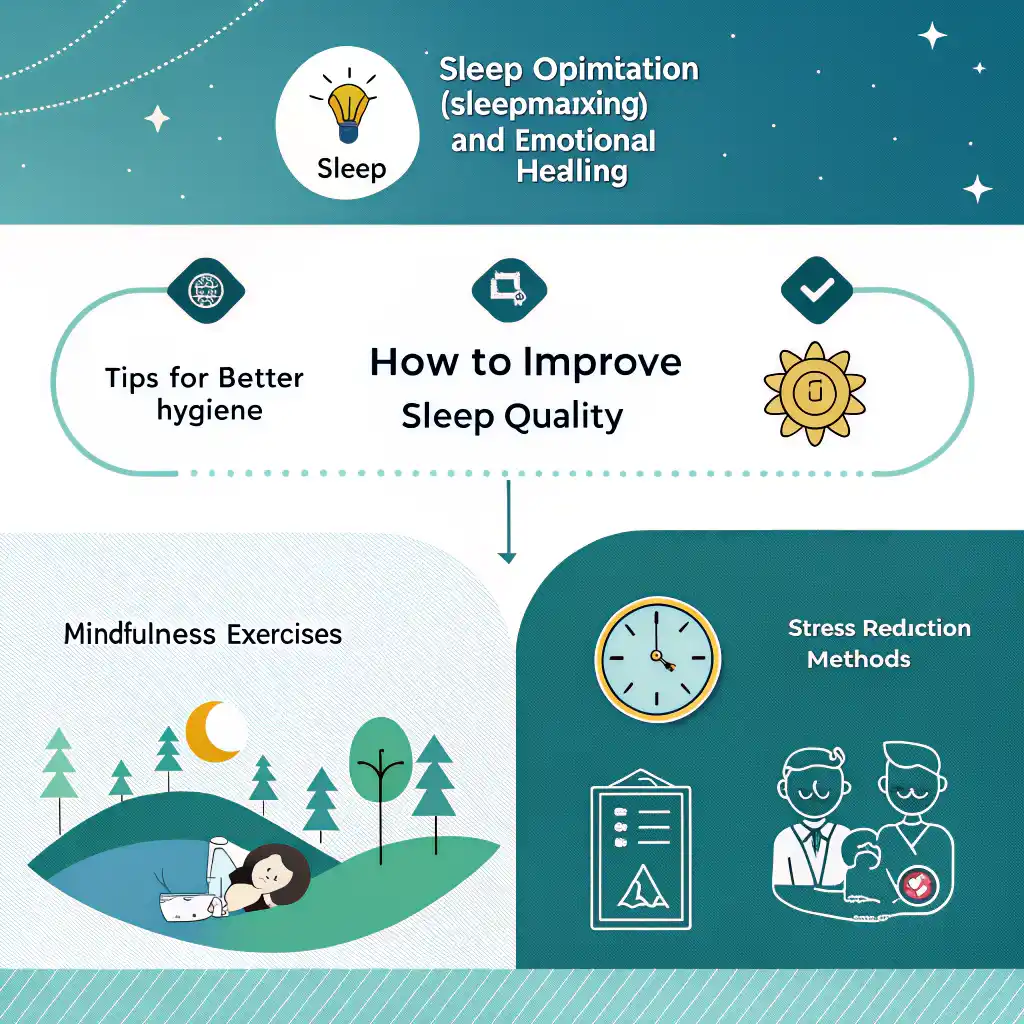
Sleep optimisation, often called sleepmaxxing, is the conscious practice of improving both the quality and depth of your sleep using lifestyle changes, behavioural habits and, for some people, holistic healing techniques.
Traditional advice focuses on sleep hygiene: reducing blue light, keeping a consistent schedule and using sleep trackers. Modern understanding goes deeper. It recognises that sleep disturbances are often a symptom of stress, emotional overload and a nervous system that does not feel safe enough to switch off.
One caution: trackers can help you notice patterns, but obsessing over sleep scores can itself cause anxiety and make sleep worse. Use the data lightly, and pay more attention to how you actually feel in the morning and during the day.
How much sleep do you actually need?
Most adults do best with around 7 to 9 hours a night, although needs vary from person to person. Good-quality sleep usually means you fall asleep within about 30 minutes, sleep through most of the night, and wake up feeling reasonably rested. If you sleep for eight hours but still wake up exhausted, it is worth looking at why. Our page on why sleep is important explains what sleep does for your body and mind.
Why you can’t sleep: physical, emotional and mental causes
Poor sleep rarely has a single cause. It helps to look at the layers.
Everyday and physical causes
- Caffeine late in the day, alcohol close to bedtime or heavy meals at night
- Irregular sleep times and too much screen time before bed
- A noisy, bright or too warm room
- Medical issues such as sleep apnoea, thyroid problems, pain, restless legs or hormonal changes, and some medicines
Emotional and mental causes
One of the most overlooked causes of poor sleep is stress and suppressed emotion. When the body holds on to unresolved experiences, it can stay in a state of alertness. Overthinking, replaying conversations or worrying about tomorrow are signs that your mind is still on duty. These patterns often start long before bedtime, with pressure at work, caring for others or emotional needs that went unmet for years. If this sounds familiar, read about overthinking and anxiety in women, mental overload at work and why you can’t sleep even when tired.
10 simple habits to improve sleep quality
1. Keep a consistent schedule. Go to bed and wake up at about the same time every day, including weekends. This steadies your body clock (circadian rhythm).
2. Get morning light. Step outside or sit near a bright window within an hour of waking.
3. Cut caffeine early. Avoid tea, coffee and energy drinks in the afternoon and evening. Caffeine can stay in your system for many hours.
4. Be careful with alcohol. It may make you drowsy, but it fragments sleep later in the night.
5. Create a wind-down routine. Spend 30 to 60 minutes with dim lights and calming activities such as a warm shower, light stretching, reading or journaling.
6. Reduce screens before bed. Put your phone away at least 30 to 60 minutes before sleep. Stimulating content matters as much as blue light.
7. Make your room sleep-friendly. Keep it dark, quiet and comfortably cool.
8. Eat earlier and lighter. Heavy meals close to bedtime can disturb sleep.
9. Move your body during the day. Regular activity helps, but hard workouts very late can be stimulating for some people.
10. Do not fight sleep in bed. If you are awake for about 20 minutes, get up, do something quiet in dim light, and return when sleepy. Avoid watching the clock.
How to calm an overactive mind at night
- Brain dump. Write down tomorrow’s to-do list and any worries for five minutes before bed, so your mind does not have to hold them.
- Slow breathing. Breathe in gently through the nose, then breathe out for longer than you breathe in, for a few minutes. This helps the body shift out of alert mode.
- Body scan or progressive muscle relaxation. Slowly relax each part of the body from your feet to your face.
- Gentle sound and stillness. Soft music, a guided relaxation or sound bath healing can help the mind slow down.
For more on quieting a busy mind, read how to stop overthinking.
Inner Child Healing for emotional safety and sleep
Inner Child Healing focuses on emotional wounds and unmet needs from childhood. When a part of you has learnt that it is not safe to relax, it can show up as anxiety and restlessness at night. Guided visualisations, journaling and therapeutic processes can help you build a sense of emotional safety, which may make it easier for your nervous system to settle. This is not a sleep treatment in itself, but many people find that working with these patterns helps them feel calmer overall. Read more about the link between overthinking, anxiety and your inner child.
Access Bars: a gentle practice for relaxation
Access Bars is a gentle, hands-on practice involving light touch on specific points of the head. Many people find sessions deeply relaxing, and some describe feeling lighter and less mentally busy afterwards, which may help them unwind before sleep. Scientific research on Access Bars is limited, so it is best seen as a complementary relaxation practice alongside healthy sleep habits and medical care, not a treatment for insomnia. Learn more about Access Bars for overthinking.
When to see a doctor about your sleep
Please speak to a doctor if:
- You have trouble sleeping at least three nights a week for three months or more
- You snore loudly, gasp or stop breathing in your sleep, or wake with a headache
- You feel very sleepy in the day, or have nearly fallen asleep while driving
- You have restless legs, pain or other symptoms that keep you awake
- Poor sleep comes with persistent low mood, anxiety or hopelessness
- You are relying on alcohol or sleeping pills to sleep
Benefits of sleep optimisation
Better sleep supports emotional resilience, concentration and memory, mood, immunity and productivity. It helps you respond to challenges with clarity, strengthens relationships and supports overall mental health.
Conclusion
Sleep optimisation is not just about sleeping more. It is about sleeping better. Start with the basics: a steady routine, morning light, less caffeine and alcohol, and a calm wind-down. Then, if your mind or emotions are what keep you awake, give them attention too, through journaling, breathwork, reflective practices such as Inner Child Healing, and relaxing therapies like Access Bars and sound healing. Your body already knows how to rest. You simply need to create the conditions for it to feel safe.
Ready to experience deeper, more restful sleep? Explore sessions at The Healing Room or connect with Sonali Mittra to begin your journey.
Frequently asked questions
Keep a consistent sleep and wake time, get morning light, cut caffeine in the afternoon, limit alcohol, build a calm wind-down routine, keep your room dark and cool, and reduce screens before bed. Breathwork, journaling and relaxation practices can help calm a busy mind.
Sleep optimisation, or sleepmaxxing, is the conscious practice of improving both the quality and depth of your sleep through lifestyle habits, behavioural changes and, for some people, holistic practices. It goes beyond sleeping longer and focuses on sleeping better.
Poor sleep quality, stress, irregular schedules, alcohol, undiagnosed conditions such as sleep apnoea or thyroid problems, low mood and nutritional issues can all leave you tired. If it continues for weeks, please check with a doctor.
Yes. Stress and unprocessed emotions can keep the nervous system on alert, making it harder to fall asleep, stay asleep or reach deep sleep. Managing stress during the day and giving your emotions space can improve sleep at night.
An overactive mind keeps you alert, delays sleep and can cause you to wake in the night. Worrying about not sleeping adds to the problem. A brain dump before bed, slow breathing and getting out of bed if you are awake for long can help.
It is not a sleep treatment, but working with old emotional patterns can help you feel safer and calmer, which may make it easier to relax at night. It works best alongside healthy sleep habits and, where needed, medical care.
Access Bars is a gentle practice involving light touch on points of the head. Many people find it deeply relaxing and feel mentally lighter afterwards, which may help them unwind. Scientific research is limited, so it is best seen as a complementary relaxation practice, not a treatment for insomnia.
Keep reading