The Business of Healing: Trust, Truth, and the Future of Wellness
Reflections from the Soulpreneur Meet 3.0 at The Healing Room on 18th April 2026, Delhi, India.
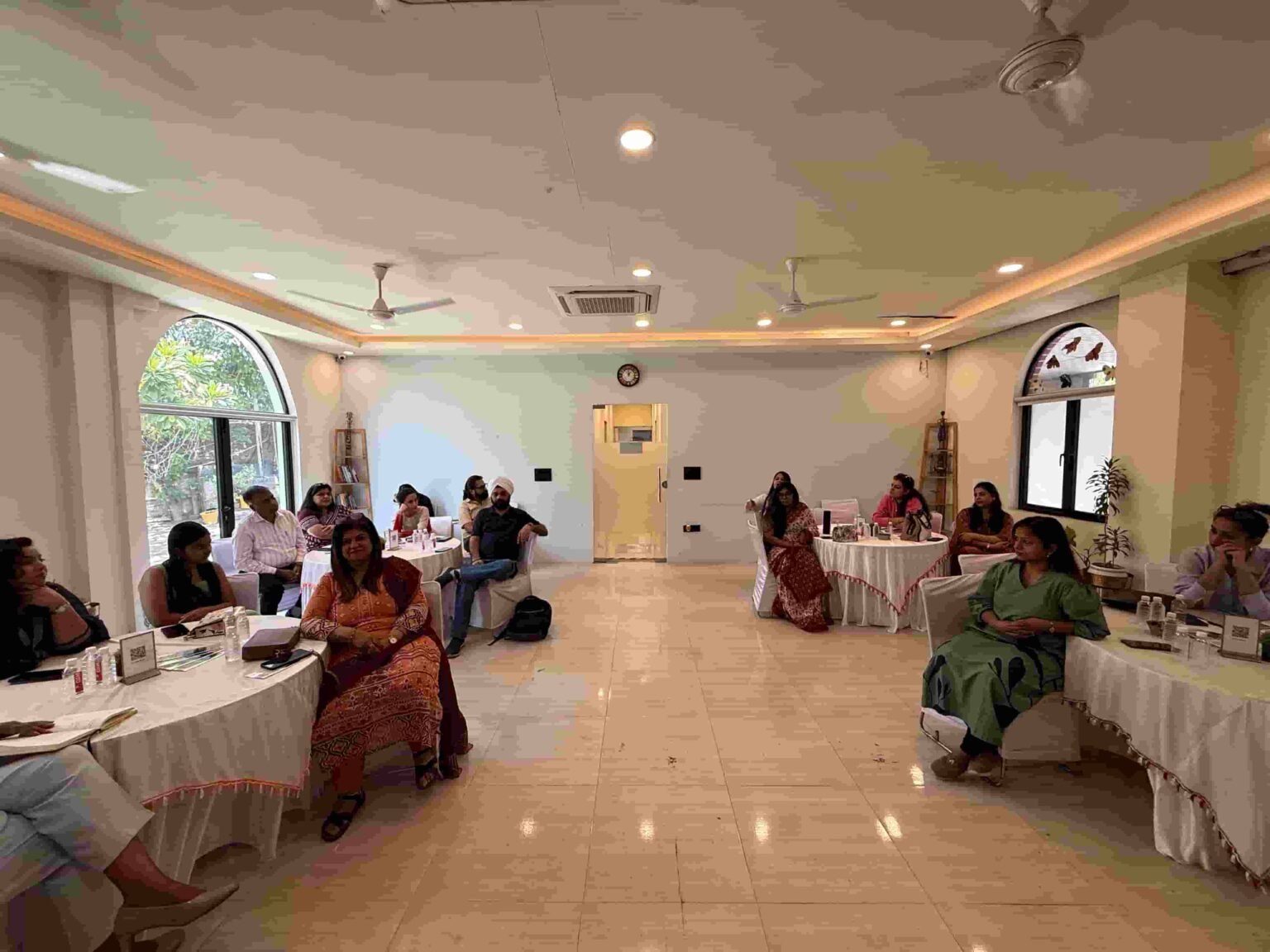
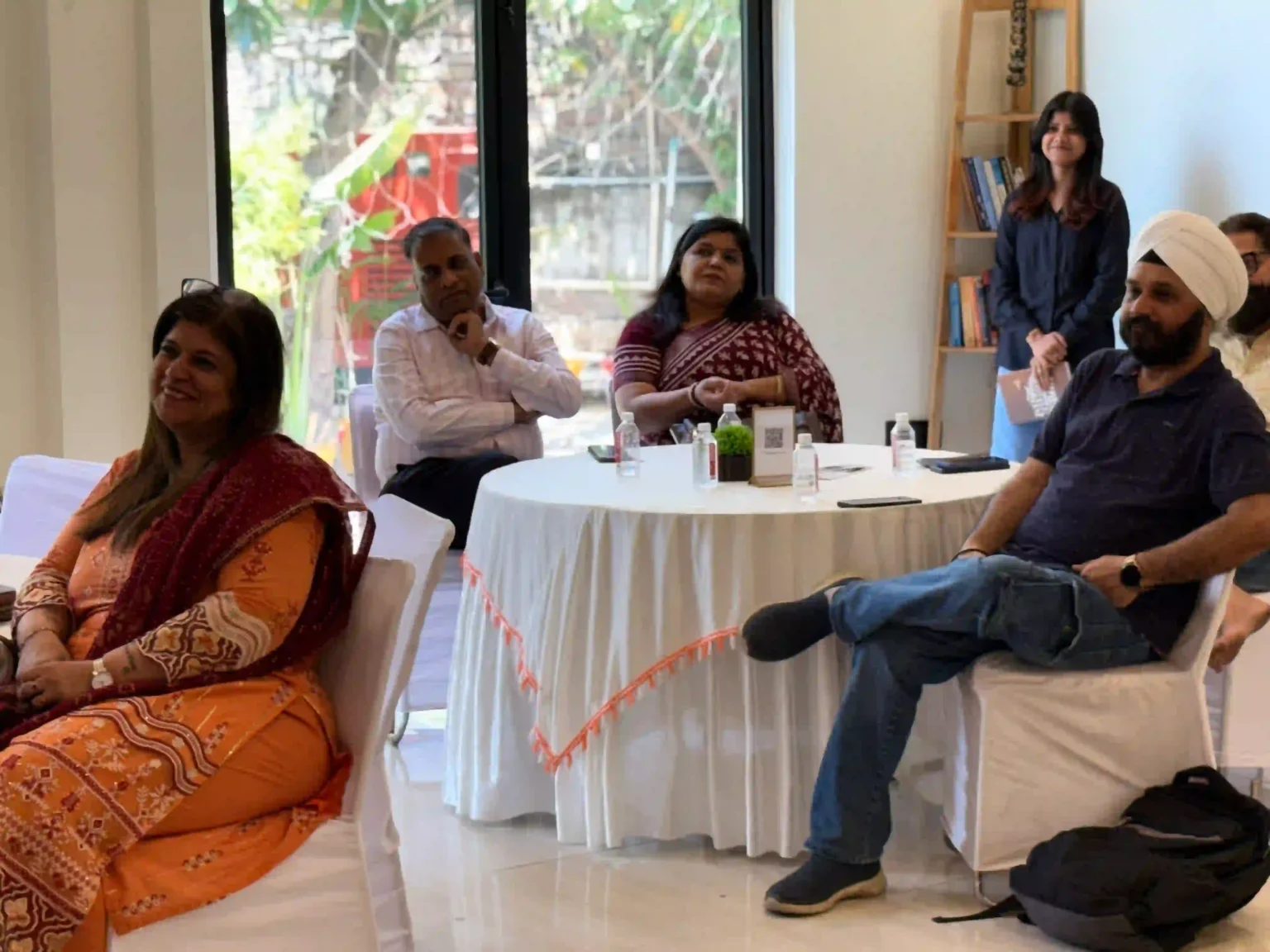
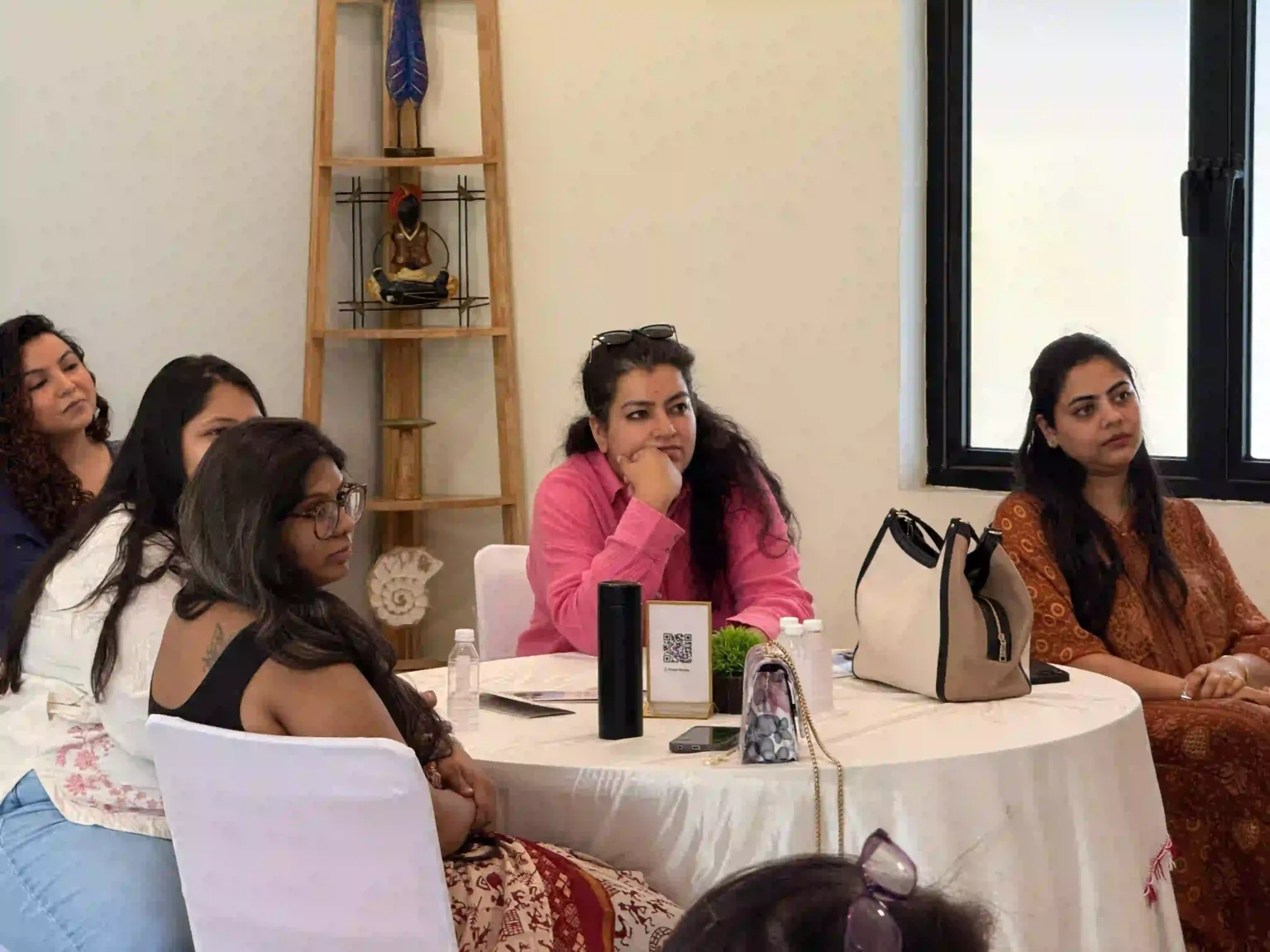
The wellness industry is growing rapidly, but beneath this visible expansion lies a deeper and more complex challenge-trust. At the Soulpreneur Meet held at The Healing Room, healers, therapists, and practitioners came together to explore the future of healing-not just as a service, but as a structured and respected profession.
The conversation went beyond techniques and modalities. It focused on credibility, responsibility, and the role of integrity in building a sustainable healing ecosystem.
Trust Deficit in the Healing Industry
Trust remains the biggest barrier to growth in the healing space. Unlike conventional medicine, which is backed by regulation, institutions, and standardized protocols, healing modalities often operate in an unstructured environment. This creates uncertainty for clients who are exploring alternative approaches.
According to the World Health Organization, nearly 80% of people globally use complementary medicine at some point in their lives. However, despite this widespread usage, the lack of regulation continues to create skepticism.
A key insight from the discussion was the importance of positioning healing as complementary to medicine, not as a replacement. This subtle shift reduces resistance, builds acceptance, and allows healing practices to coexist with mainstream healthcare instead of competing with it.
Science and Credibility
Today’s clients are more informed and more cautious. Before making any health-related decision, they actively seek information, validate claims, and look for evidence. Research suggests that over 70% of individuals search online before choosing a wellness or healthcare service.
This means that healers must learn to communicate their work in a language that bridges experience and science. Neuroscience studies have shown that somatic practices and energy-based therapies can help regulate the nervous system, reduce stress, and improve emotional well-being.
The goal is not to over-medicalize healing, but to provide enough clarity so that clients feel safe, informed, and confident in their decisions. When experience is supported by understanding, trust naturally increases.
Non-Linear Healing
One of the most important realities discussed was that healing is not a straight, predictable journey. Unlike conventional treatments where results are expected in a linear progression, healing often unfolds in layers.
Many clients experience temporary discomfort during the process, often referred to as a healing crisis. This may include emotional release, fatigue, or heightened awareness. While it can feel uncomfortable, it is often a sign that deeper shifts are taking place.
This is similar to physical exercise, where muscle soreness indicates growth and strengthening. The key lies in preparing clients for this reality and managing expectations clearly. When clients understand that discomfort can be part of progress, it prevents doubt and strengthens trust in the process.
Collaboration Over Competition
The healing industry has long operated in isolated silos, where practitioners focus on their own modalities without much interaction with others. However, the future of healing lies in collaboration, not competition.
When healers refer clients to other practitioners, acknowledge their own limitations, and support a multi-disciplinary approach, it creates a more client-centric ecosystem. Clients benefit from receiving the right support rather than being confined to a single method.
Integrated care models in healthcare have already shown better outcomes, and the same principle applies to the healing space. Collaboration not only improves results but also strengthens credibility and trust across the industry.
AI: Opportunity and Risk
The rise of artificial intelligence is reshaping every industry, including wellness and healing. AI offers significant advantages such as automation, improved visibility, and the ability to scale services efficiently.
However, it also comes with risks. Issues like data privacy, misinformation, and the loss of human authenticity cannot be ignored. Healing, at its core, is deeply personal and relational. Over-reliance on technology can dilute this essence.
The balanced approach recommended was to use AI for low-risk, operational tasks—such as content, scheduling, or systems—while preserving human connection, confidentiality, and presence in actual healing work.
Professionalization and Standards
One of the biggest challenges facing the industry is the presence of untrained or underqualified practitioners. This directly impacts trust and creates confusion for clients.
The way forward is through professionalization-introducing standardized certifications, structured training programs, ethical guidelines, and accountability systems. When practitioners are properly trained and transparent in their work, it elevates the credibility of the entire industry.
Professionalization is not about restriction; it is about creating a foundation of trust that supports long-term growth and recognition.
The Business of Healing
Many healers struggle with the idea of charging for their services. There is often an internal conflict between the desire to help and the need to sustain a livelihood.
However, sustainability is essential for impact. When healers undercharge or avoid pricing their services appropriately, it often leads to burnout, resentment, and inconsistency. Research shows that fair value exchange not only supports the practitioner but also increases client commitment.
Charging for your work is not about commercialization-it is about honoring the energy, time, and transformation you provide. A balanced exchange creates stability and allows healers to continue their work with integrity.
The Future of Healing
The future of healing depends on creating a structured and integrated ecosystem. Spaces like The Healing Room have the potential to lead this transformation by building environments where healing is credible, practitioners are accountable, and clients feel safe.
This requires a combination of awareness, structure, collaboration, and ethical practice. When these elements come together, healing can move from being misunderstood to being widely accepted and respected.
Final Thoughts
The future of healing depends on trust – trust built through honesty, structure, and responsibility.
Healing is not just about transformation.
It is about trust.
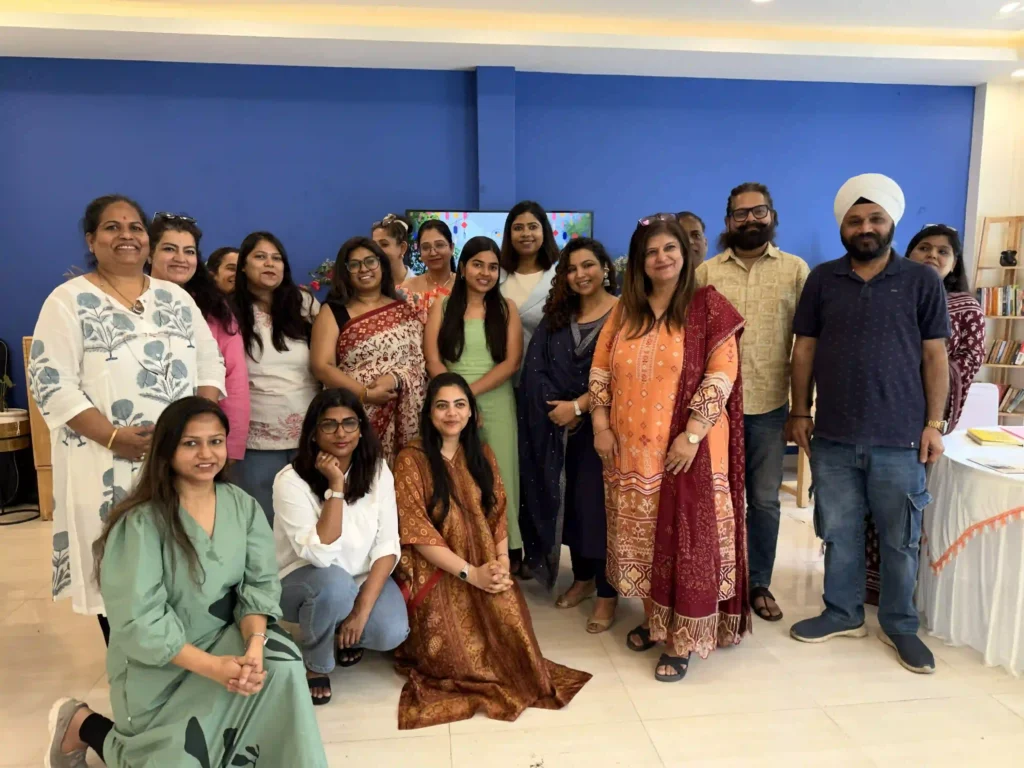
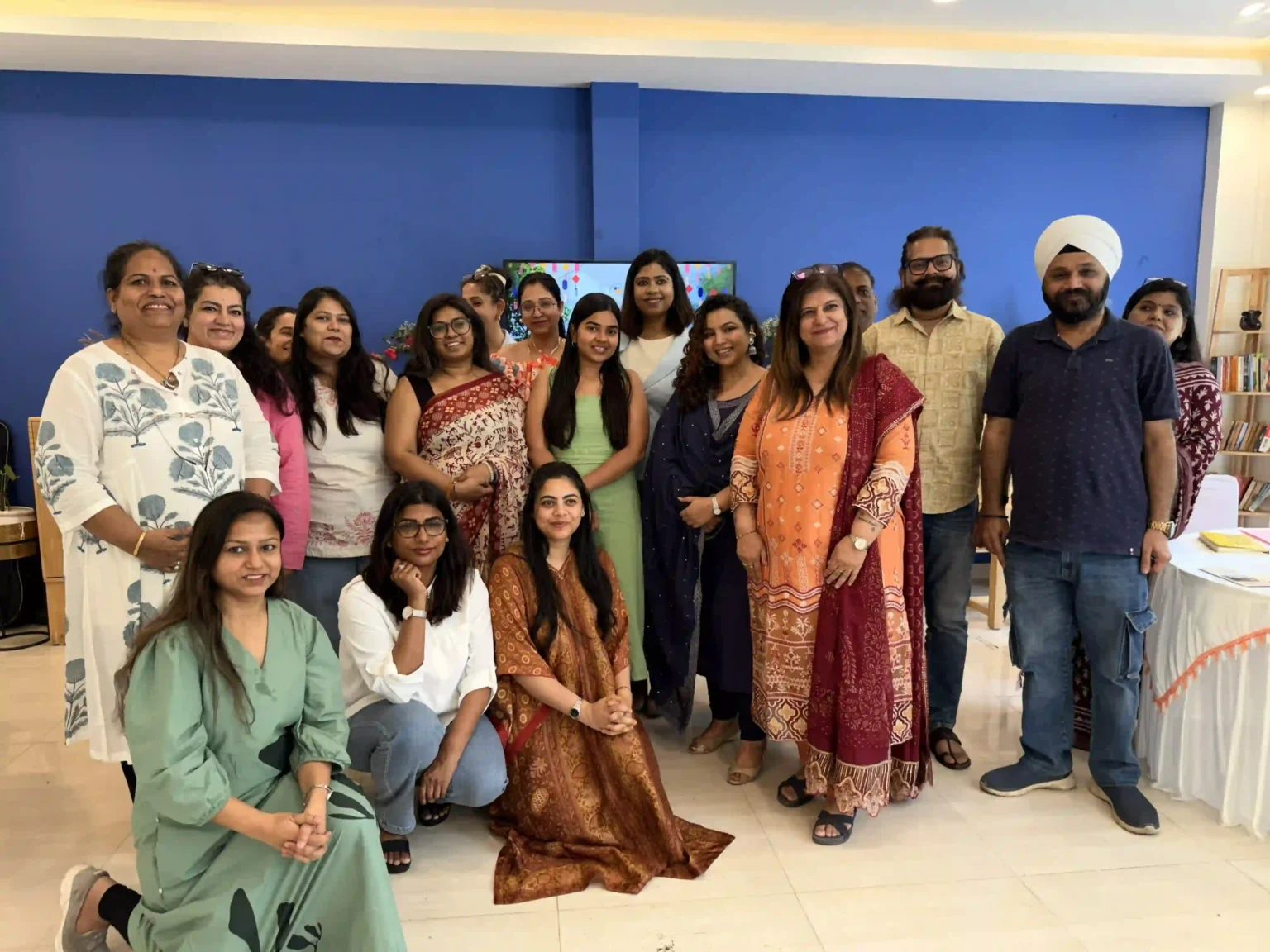
A heartfelt thank you to everyone who showed up for Soulpreneurs Meet 3.0 at The Healing Room.
Grateful for the stories, the insights, and the beautiful energy you brought into the room
Ashish Banerji (Marma Therapist), Dr Priyannka (Founder- OjasVerve), Ishita Sharmaa (Sound Healer and Reader), Ravinder Singh (Founder), Meera sharma (Mahaguru Durga Raiki), Khyati Gupta (Sr. Software Developer), Sakshi Badlani (Founder of Niriha a conscious wellness brand), Nidhi chowdhary (Reiki Master, Tarot consultant, crystal healer, cord cutting healer), Bhawna (Founder of magicalalley1111), Harleen Bedi (Meditation coach trained Hypnotherapist), Dr Neelam Parwani (founder of Nature’s Grace), Manal Wahid (Clinical hypnotherapist and sound healer) ,Selve Singh (Life Coach, Reiki Grandmaster, Hypnotherapist, Tarot Reader/Coach) , Shuchi Agrawal (Psychic Tarot Reader | Vedic Astrologer & Numerologist)