
Burnout
Caregiver Burnout: Caring for Ailing Parents
Learn how to manage caregiver burnout, set healthy boundaries, and care for your parents without sacrificing your identity and emotional health.
17 April 2026
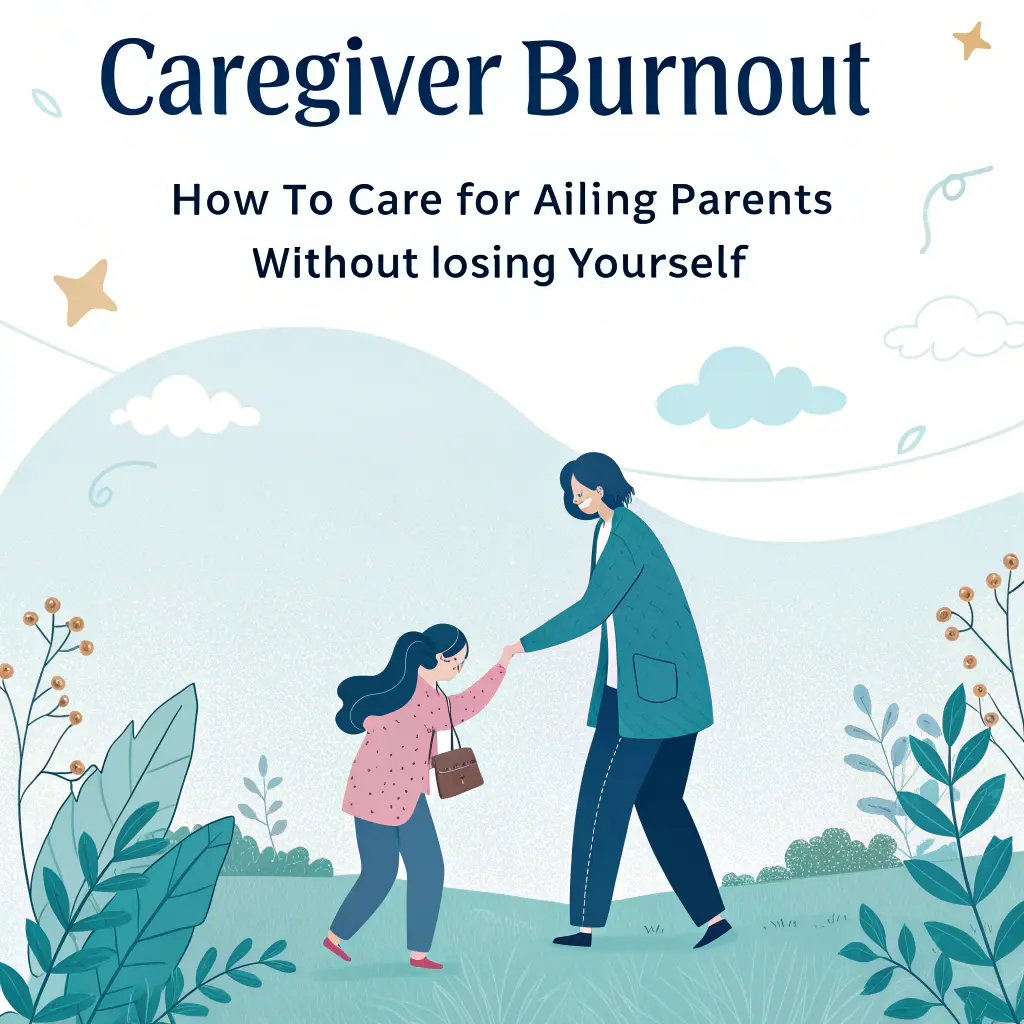
Caring for parents is one of the toughest things millennials have to deal with today. This is especially true for people who’re single children, not married or living with their parents after a divorce. When you love and want to take care of your parents it can be really hard to find a balance. Sometimes you might even start to feel like you are taking care of them like they are your kids. This can lead to feeling really tired, resentful and losing yourself.
The problem is not about getting things done, it is also about how it affects you emotionally. We can use something called Family Constellation Therapy to understand how to take care of your parents without losing yourself. This therapy helps us see how to set boundaries.
When you take care of someone it can be really stressful. Affect your mental health. Research shows that people who take care of their family members and their parents, often feel more anxious, depressed and stressed out. In India it is common for people to think that taking care of their parents is something they have to do without questioning it. This can make it hard for them to say no or set boundaries without feeling guilty.
Understanding Caregiver Burnout and the Emotional Burden of Caregiving
There is a principle in Family Constellation Therapy called “Orders of Love”. It says that parents are supposed to give and children are supposed to receive. When this gets reversed and children start taking care of their parents psychologically it creates an imbalance. This imbalance can make you feel really exhausted because it is not how things are supposed to be. As a child even when you are an adult you are not meant to carry the weight of your parents.
Family Constellation Principle: Orders of Love
There are reasons why children might start to take care of their parents like they are their kids. Sometimes parents might become really dependent on their children after they get sick or lose someone. If there are no siblings to help out, the responsibility falls on one person. In families there is often a lot of pressure to take care of your parents without questioning it. Some people might feel guilty if they prioritize their needs. If someone had to grow up quickly because of past problems they might also take on too much responsibility.
For example a woman from Bangalore moved home to take care of her mom after she got divorced. Over time she started taking care of everything, including her moms emotions, money and social life. This led to her feeling burned out and losing herself.
Explore how Family Constellation Therapy can help you understand and heal these patterns.
Why Millennials Become Their Parents’ Parent
Taking care of someone too much might seem like a good thing, but it actually has negative effects. When you get emotionally involved, you can start to feel fatigued and really stressed out. Over time, this constant emotional pressure builds up and starts affecting your mental health, your energy, and even your relationships outside the family.
It also makes your parents dependent on you, so they do not try to take care of themselves anymore. Slowly, without realizing it, you start taking responsibility for everything – decisions, emotions, and even their happiness.
When you start acting like a parent to your parents, you take away their power. This makes the whole family system weaker and creates an unhealthy dynamic where you feel stuck and overwhelmed.
The Hidden Cost of Caregiver Burnout and Over-Caretaking
To create boundaries, you need to remember your place in the family. You are the child. They are the parents. Just knowing this can help you set boundaries, even if it feels uncomfortable at first.
You can tell yourself: “My parents are my parents and I am their child. I respect them. I do not have to carry their problems.”
This simple shift can bring a lot of clarity and emotional relief. It helps you separate what is your responsibility and what is not.
When you don’t set these boundaries, you may start feeling drained, frustrated, and even guilty for wanting space. Over time, this leads to caregiver burnout, where you are physically present but emotionally exhausted.
How to Create Healthy Boundaries Using Family Constellation Principles
It is also important to know the difference between taking care of someone and controlling them. Taking care of someone means helping them with things, managing daily tasks, and being there for them when needed.
Controlling them, on the other hand, means trying to manage their emotions, decisions, and happiness. This often comes from a place of concern, but it creates more pressure for both you and them.
You have to remind yourself that your role is to support, not to take over their life. When you allow your parents to make their own decisions and feel their own emotions, you actually create a healthier and more balanced relationship.
Setting boundaries does not mean you love them less. It simply means you are creating space where both of you can function in a healthier way.
Practical Strategies to Maintain Balance
Here are some practical things you can do to maintain balance:
- Let your parents feel their emotions without trying to fix everything.
- Get help from family members or professionals.
- Make time for yourself without feeling guilty.
- Talk to your parents openly and respectfully.
Indian Case Study: Gurgaon-Based Entrepreneur
There was a case in Gurgaon where an entrepreneur was taking care of his dad after he had a stroke. He got really involved in everything. Slowly, it was not just about managing care – it started affecting his routine, his focus, and his overall energy. He began to feel constantly exhausted and mentally drained.
Over time, he even saw his business decline. Important decisions were delayed, and his performance started slipping because his attention was completely divided.
After he learned about Family Constellation Therapy, he realized he had taken on too much – not just physically, but emotionally as well. He had stepped into a role that was never meant to be his.
He stepped back and allowed others to help. He started setting boundaries and returned to his role as a son instead of trying to manage everything alone. This shift improved not only his mental health but also brought stability back to his business.
The Role of Emotional Healing
Sometimes taking care of someone can bring up deeper emotional patterns. You might feel like you need to be needed, or that your value comes from how much you give. At the same time, there can be a fear of being abandoned or not doing enough.
These patterns are often not about the present situation – they come from past experiences that are still active within you.
If you work on healing these triggers, you start responding differently. Instead of acting from fear or guilt, you begin to act from clarity and choice.
This allows you to take care of your parents because you genuinely want to – not because you feel pressured or obligated. And that shift changes everything, both for you and for them.
Conclusion
In conclusion, taking care of parents is an act of love, but it should not come at the cost of your own well-being. When care turns into over-responsibility, it slowly takes away your energy, identity, and emotional balance.
By understanding how family systems work and setting healthy boundaries, you can support your parents without losing yourself in the process. It is about finding a balance where both you and your parents can function with dignity and independence.
You are not meant to replace your parents – you are meant to stand beside them, support them, and still live your own life fully.
Frequently Asked Questions
Caregiver burnout is a state of emotional, mental, and physical exhaustion caused by long-term caregiving. It often leads to stress, fatigue, and feeling overwhelmed.
Common signs include constant tiredness, irritability, anxiety, and lack of motivation. You may also feel emotionally drained or disconnected.
Millennials juggle careers, personal life, and caregiving together. This added pressure increases emotional stress and burnout risk.
Set clear boundaries, ask for help, and make time for yourself. Balance care with your own emotional and personal needs.
Caring means supporting your parents’ needs. Over-caring means taking responsibility for their emotions and decisions.
It can lead to anxiety, depression, and emotional exhaustion. Over time, it also affects focus and overall well-being.
Yes, boundaries help protect your energy and reduce stress. They create a healthier balance in the caregiving relationship.
It helps identify emotional patterns and restore balance in family roles. This reduces guilt and emotional overload.
Yes, many people feel guilty when setting limits. But boundaries are necessary for long-term emotional health.
Emotional healing helps release guilt, fear, and past patterns. It allows you to care with love instead of obligation.
Keep reading