
Performance Anxiety in Athletes: High-Performance Conditioning
Performance anxiety in athletes is far more common than people admit. Many athletes look confident on the outside but struggle internally with pressure, expectations, and fear of making mistakes. Even with strong physical training, mental stress can quietly block peak performance.
High-performance conditioning focuses on calming the nervous system so athletes can perform naturally, especially in high-pressure situations. When the mind settles, the body follows.
What Is Performance Anxiety in Athletes?
Performance anxiety in athletes is a natural stress response that appears before or during competition when the mind becomes overloaded by expectations, results, or the fear of being judged. Even athletes who are well-trained and well-prepared may start overthinking before matches, questioning their abilities and feeling mentally unsettled as pressure builds.
As this mental pressure increases, the body often reacts as well, showing signs such as muscle tightness and shallow breathing. These physical responses make it harder to stay calm, focused, and fully present during crucial moments of performance. Performance anxiety is not a lack of talent or discipline; it is simply a nervous system reacting to high demands and intense performance environments.
Why Athletes Feel So Much Pressure Today?
Modern sports culture places constant and intense demands on athletes, where performance is continuously tracked, compared, and evaluated. Expectations from coaches, teams, and parents often create a sense of ongoing judgment, while public visibility and social media scrutiny add another layer of pressure that did not exist earlier. Athletes may experience:
Fear of losing selection, ranking, or position within a team
Constant evaluation and comparison with peers
Pressure from coaches, teammates, or family expectations
Stress from public attention or social media commentary
Over time, athletes also develop strong internal pressure, pushing themselves to perform at peak levels even when rest or recovery is needed. Gradually, this continuous stress becomes normalised, and athletes stop questioning the pressure they are carrying. Instead of recognising stress as a signal to pause or recalibrate, they begin to live within it, treating constant anxiety as a normal part of performance.

How Performance Anxiety Affects Athletic Performance
When anxiety takes over, the brain shifts into survival mode. This directly affects coordination, reaction time, and decision-making.
Athletes with performance anxiety often notice:
- Slower reactions under pressure
- Loss of natural flow and rhythm
- Forced effort instead of ease
- Emotional exhaustion after events
Instead of trusting their training, they start controlling every movement. This is where performance drops.
The Nervous System and High-Performance Conditioning
The Brain Before And After Bars
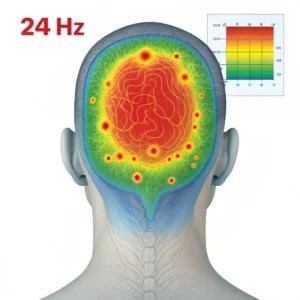
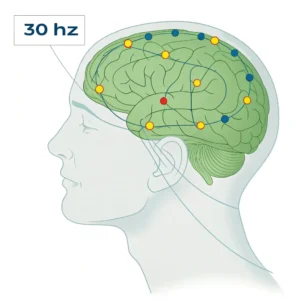
High-performance conditioning works best when it supports the nervous system rather than pushing it into overdrive. A regulated nervous system allows both the brain and body to function at their full potential, keeping athletes sharp and responsive even under pressure. Key benefits include:
Enhanced focus – staying attentive during critical moments
Faster recovery – bouncing back quickly from mistakes or fatigue
Emotional balance – managing stress and maintaining calm
Consistent performance – performing steadily across competitions
Your image showing the before-and-after effect on the mind perfectly illustrates this: before a session, the nervous system may appear tense and overactive, while after conditioning, it shows clarity, calmness, and optimal readiness.
What Is Access Bars and How It Helps Athletes
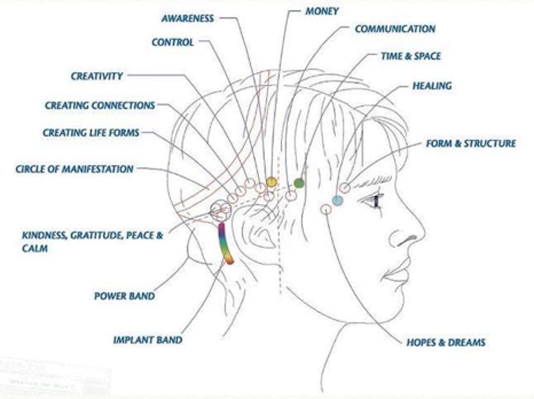
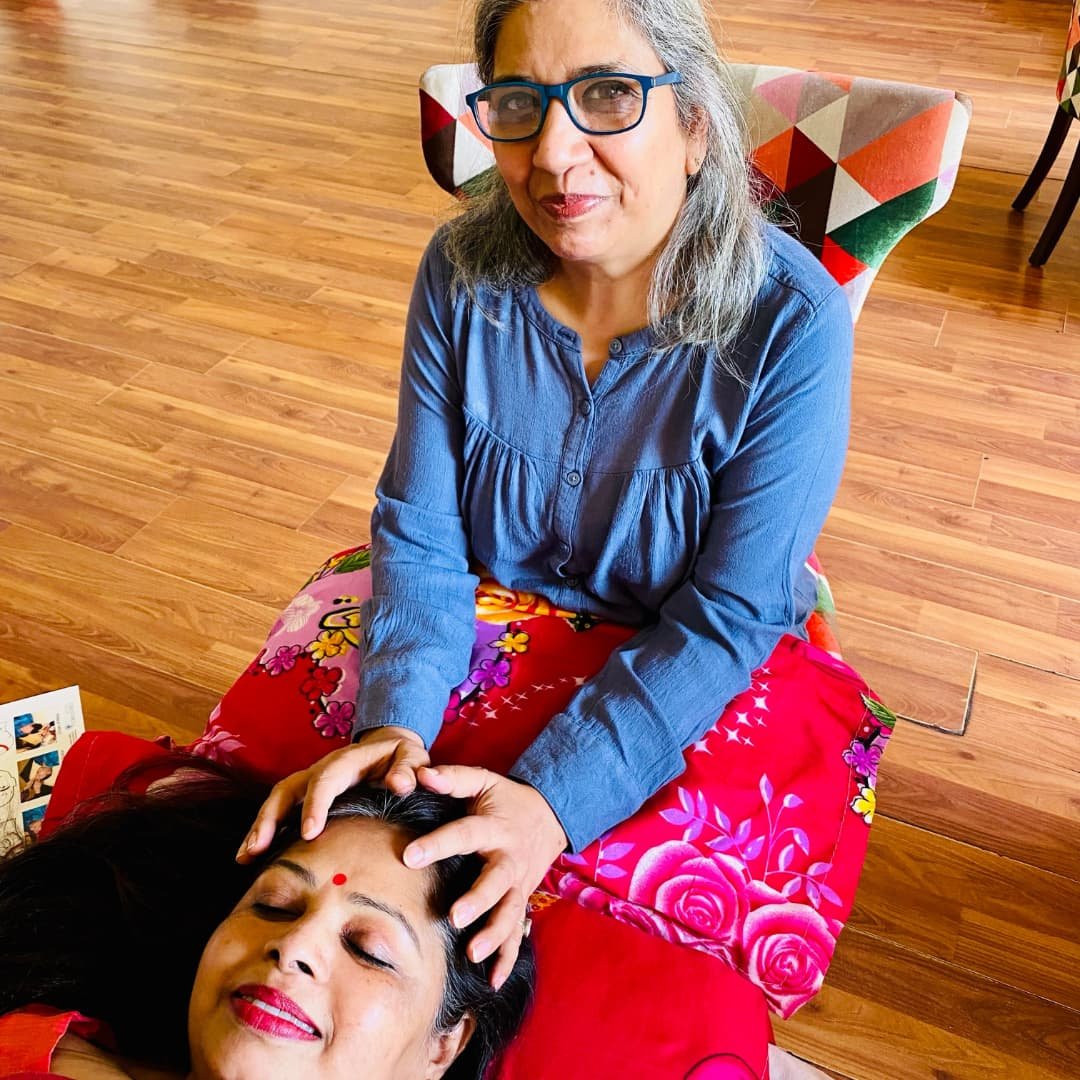
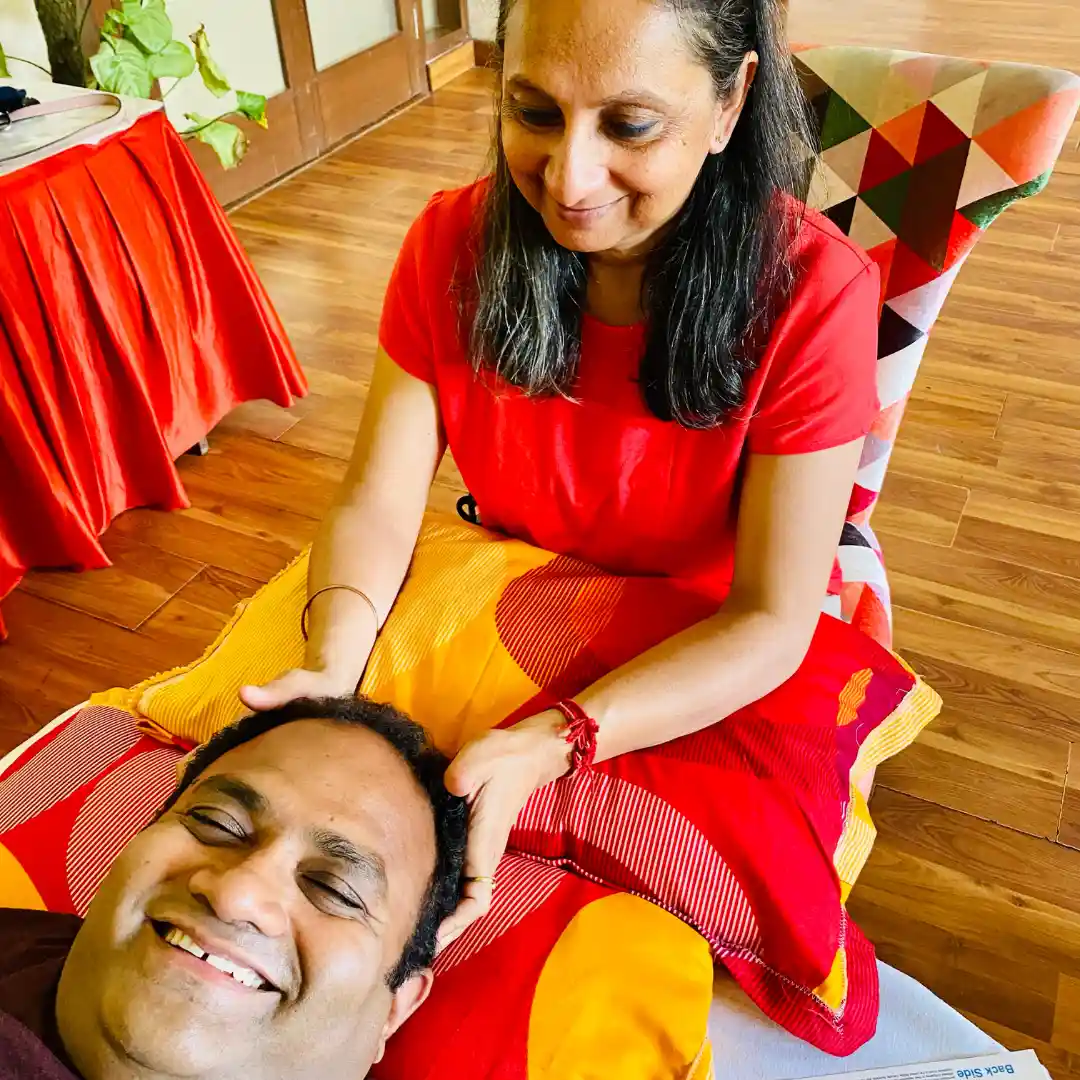
Access Bars is a gentle, body-based technique that works directly on calming the brain and regulating the nervous system. It involves light, mindful touch on 32 specific points on the head, each connected to different aspects of stress, thoughts, emotions, and habitual mental patterns. By stimulating these points, Access Bars helps release stored tension, reduce mental clutter, and promote a deep sense of relaxation and clarity, making it ideal for athletes under performance pressure.
For athletes dealing with performance anxiety, Access Bars can support both mental and physical performance. Regular sessions help:
Reduce mental noise and overthinking before competitions
Release accumulated stress from training and high-pressure situations
Support deep relaxation and faster recovery post-performance
Improve focus and presence without forcing effort
Enhance emotional balance during intense practice or competition
How Access Bars Supports Performance Anxiety in Athletes
Unlike mental techniques that require effort, Access Bars allows the nervous system to reset naturally. When stress patterns release, the athlete does not need to “try” to stay calm.
Benefits athletes commonly experience include:
- Reduced pre-competition nervousness
- Better sleep and recovery cycles
- Improved emotional control under pressure
- Renewed enjoyment of their sport
This makes Access Bars a powerful complement to training, coaching, and sports psychology.
High-Performance Conditioning vs Traditional Mental Training
Approach | Focus | Effort Required | Impact |
Visualization | Mental rehearsal | High | Moderate |
Sports Psychology | Cognitive strategies | Moderate | High |
Meditation | Awareness training | High | Moderate |
Access Bars | Nervous system regulation | Low | High |
High-performance conditioning focuses on removing stress blocks so existing skills and training can work better.
Who Can Benefit From This Approach?
Performance anxiety in athletes affects all levels, not just professionals. This approach is helpful for:
- Competitive youth athletes
- College and academy players
- Professional athletes
- Team and individual sport performers
It is especially useful for athletes who feel mentally stuck despite good physical preparation.
How Access Bars Fits Into Athletic Training
Access Bars integrates easily into existing routines. It does not replace training or coaching.
Common uses include:
- Pre-competition calming sessions
- Post-match nervous system recovery
- Off-season burnout prevention
Because it is gentle and non-invasive, athletes can receive sessions without disrupting performance schedules.

FAQs
Performance anxiety is a stress response that occurs before or during competitions, often triggered by high expectations, fear of judgment, or concern about results. It affects focus, coordination, and overall performance.
No. Performance anxiety is not a reflection of skill or ability. It is the nervous system’s natural reaction to pressure and high-performance demands.
Common causes include expectations from coaches, teammates, and parents, public scrutiny, social media pressure, fear of losing ranking or selection, and internal pressure to consistently perform at peak levels.
A regulated nervous system helps the brain and body function optimally, improving focus, emotional balance, recovery after mistakes, and consistency across competitions.
High-performance conditioning emphasizes training that supports and regulates the nervous system rather than pushing it into overdrive, helping athletes perform consistently under pressure.