A Global Perspective on Integrative Healing
An International View of Integrative Healing
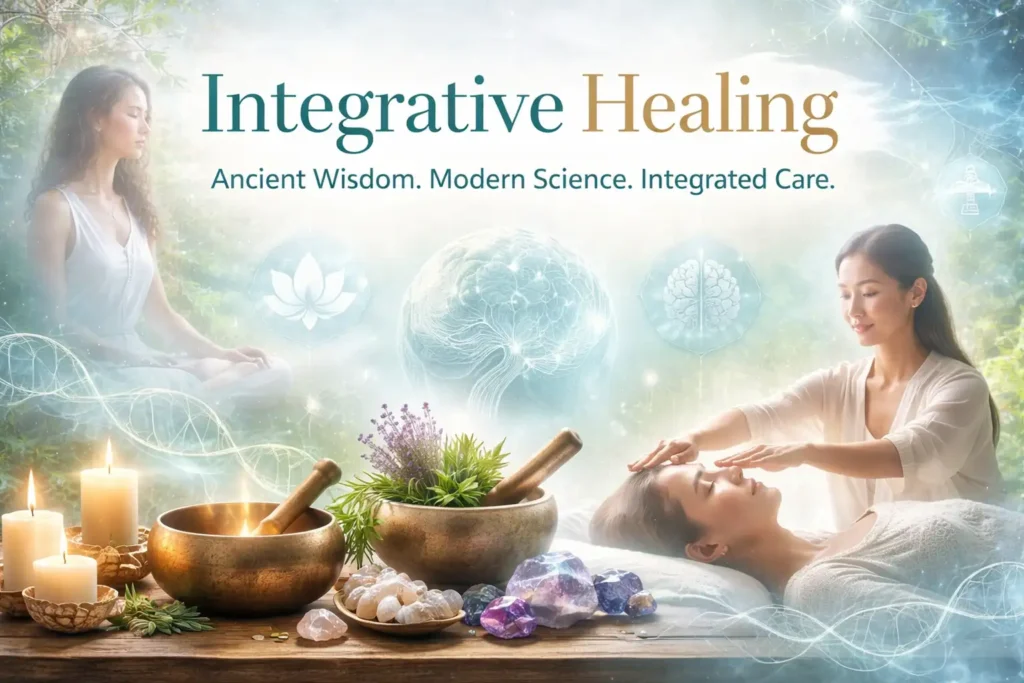
Ancient Wisdom. Modern Science. Integrated Care.
The Healing Room is an innovation hub of wellness where the healing practices with a long history of the world meet the modern psychology, neuroscience and integrative healing methods. In this case, ancient wisdom is combined with evidence-based practices, which means that healing does not exist in boxes but on the contrary.
In the past thousands of years, there had never been strict categories of specialization in healing. It was holistic healing in its purest sense, intuitive, and deeply related to nature, society, and emotional reality. With the increasing prevalence of stress-related disorders, burnout and emotional fatigue the world over today, individuals are going back to alternative healing methods not to replace medicine, but to support it as their powerful complement in an integrative wellness model.
This page discusses some of the most powerful systems of integrative healing in the world and their beginnings, how they are used today and why a mind-body approach to healing is the future of sustainable wellbeing.
What Is Integrative Healing?
Alternative healing involves therapeutic systems which incorporate the mind-body-emotion-energy relationship, commonly not within the conventional medical systems. These are not merely symptom suppressing methods. They want to know the source of imbalance be it physical, healing related to emotions, ancestral or energy.
This is not perceived as an alternative at The Healing Room. Integrative healing is based on it. Real healing recognizes that the wellbeing of humans is a whole that cannot be narrowed down to separate symptoms or diagnoses. It should be regarded as a system as a whole.
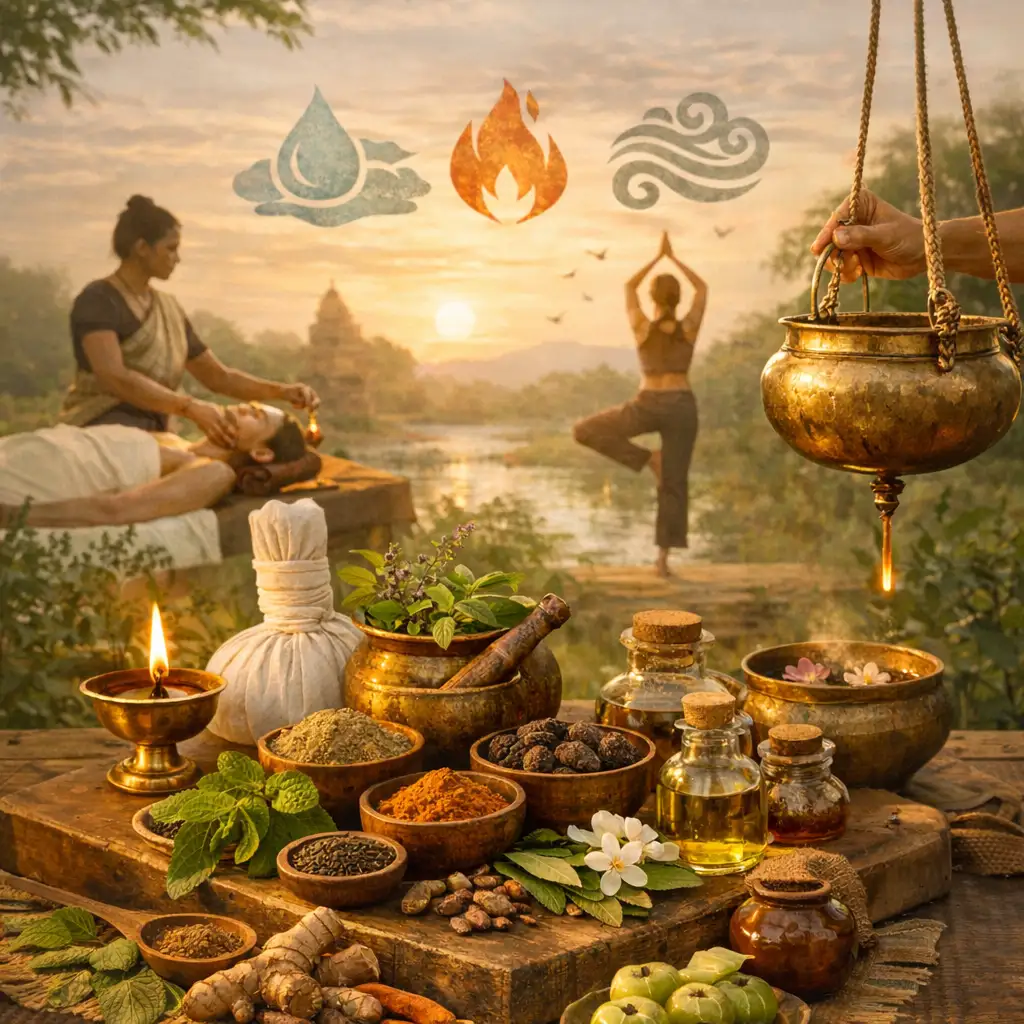
Ayurveda: Cure of Balance and Rhythm
Origin: Indian subcontinent (more than 5,000 years old)
Ayurveda is one of the ancient systems of holistic treatment in the world. It is based on the fact that body, mind, environment and lifestyle rhythms bring about a state of health through balance.
Instead of inquiring what sickness you have? Ayurveda inquires, Who are you? Being a custom-tailored mind-body philosophy of healing, it approaches individuals in a unique manner with the help of nutrition, herbs, body treatments, daily habits, and detox.
Ayurveda in contemporary settings still offers solutions to sufferers of digestive disorders, hormonal imbalance, anxiety, chronic fatigue and stress related problems – issues that are deeply entrenched in our contemporary urban life.
Traditional Chinese Medicine: Reestablishing the Circulation of Life Force
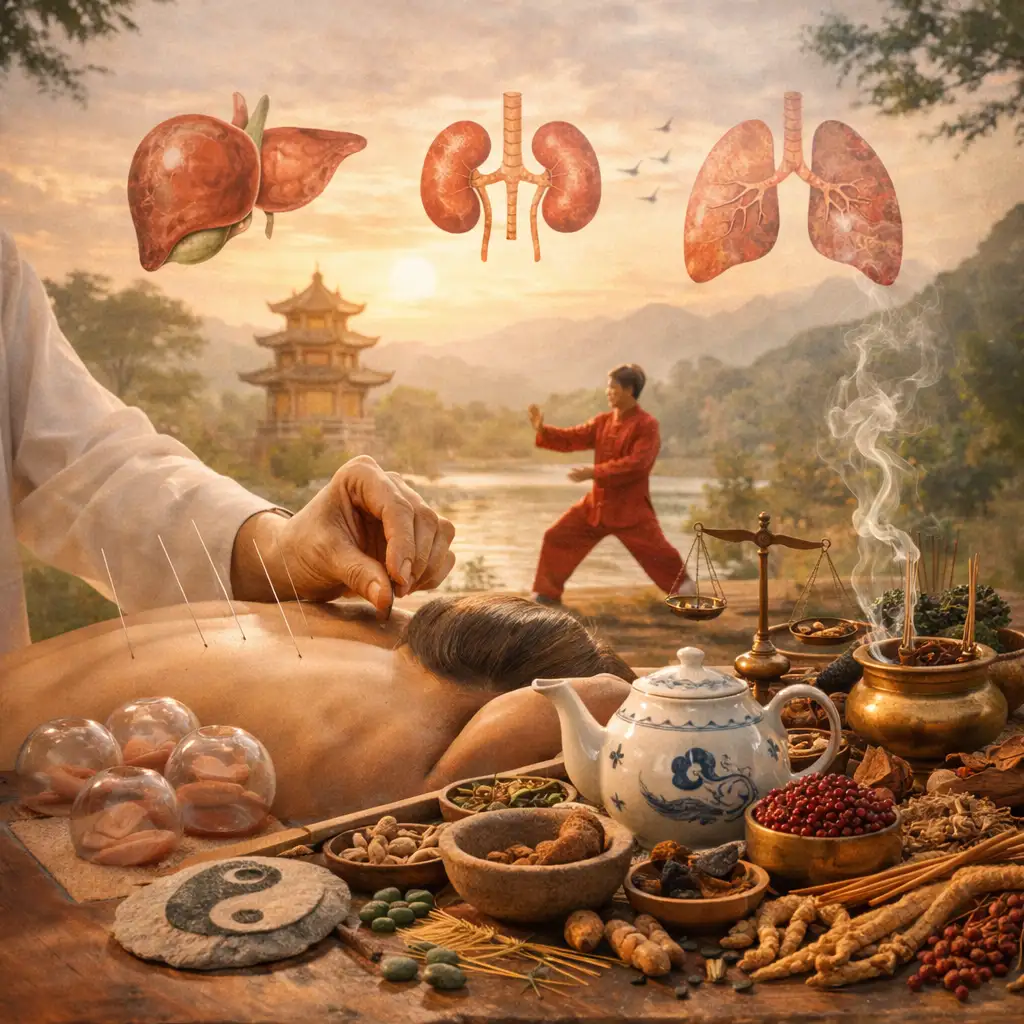
Origin: China (over 2,000 years old)
Traditional Chinese Medicine (TCM) has its background in the idea of Qi, the life force that circulated in the body. When this flow is broken or disturbed, it is what is called illness.
TCM brings back circulation, harmony, and energetic balance to the body through acupuncture, herbal medicine, cupping, acupressure as well as Tai Chi. Notably, it identifies the strong connection between emotions and the physical body, which cannot be divided.
Stress impacts the liver. Fear affects the kidneys. Grief resides in the lungs. This approach to healing contributes to TCM being of specific importance in the context of chronic pain, emotional burnout, sleep disturbances, and anxiety.
Shamanic Healing: Restoration of the Soul
Genesis: Native cultures of South America, Africa, and Asia
Shamanism perceives illness in terms of soul and energy. Trauma, shock and loss are supposed to disconnect one to self and life.
Shamanic healing is achieved through ritual, symbolism, sound and altered states of consciousness to restore that which is usually beyond verbal processing. Remarkably, most trauma-based therapeutic frameworks resonate with these principles nowadays.
The wisdom of the ancient traditions is more and more confirmed by modern psychology: the healing, in order to be effective, must touch what words cannot reach.

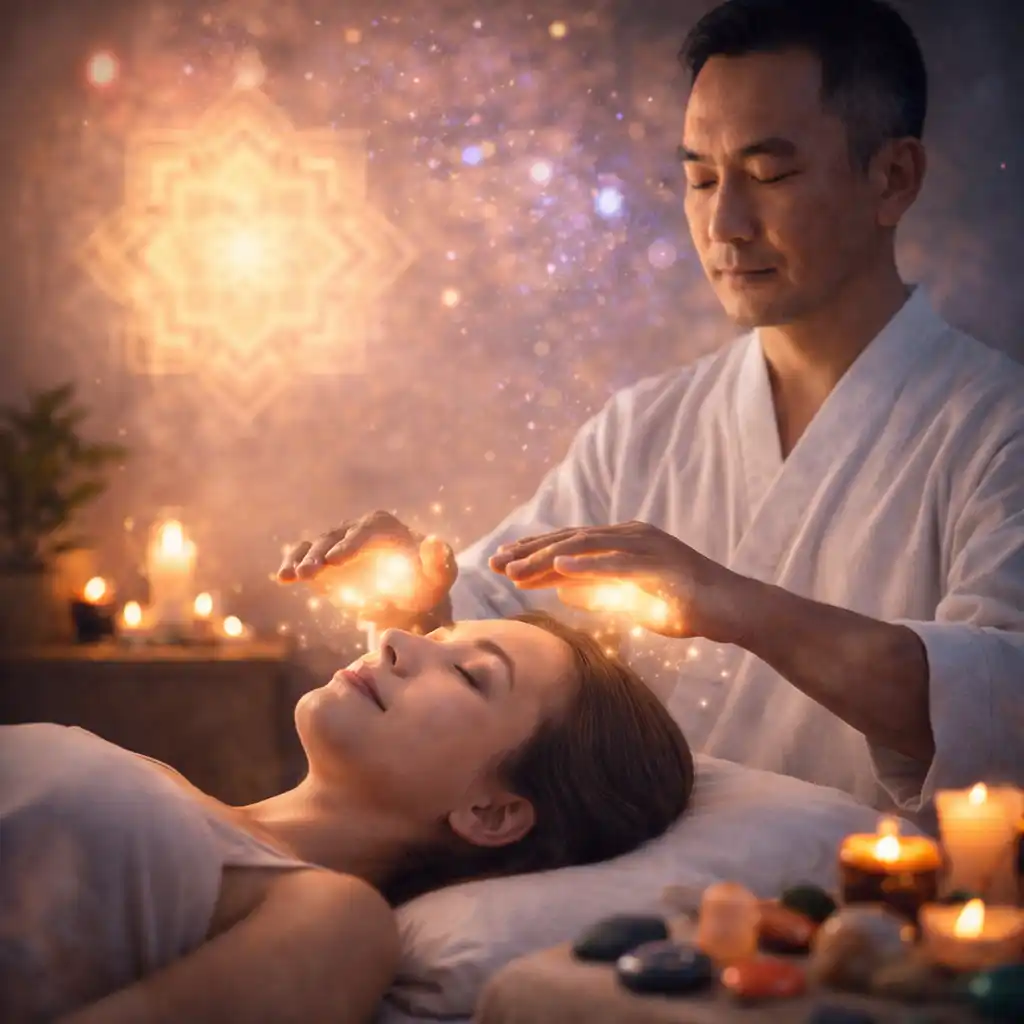
The Intelligence of Touch Reiki & Energy Healing
Origin: Japan (early 20th century)
The energy healing process of Reiki and other energy healing has a very basic yet effective assumption, which is that the body has a natural intelligence that can be self-regulating.
Using soft hands-on or close body methods, the practitioners help the individual relax, release emotions, become clear, and manage the nervous system. These mindfulness-based methods are especially conducive to such issues as anxiety, emotional overload, compassion fatigue, and burnout remedies.
Energy healing provides an escape of stillness, recalibration and restoration in a world where there is continual stimulation.
Family Constellation Therapy: The Invisible Inheritance
Originally developed in Germany by Bert Hellinger
Family Constellation Therapy discloses the way the unresolved trauma, exclusions, and systemic pattern impact current struggles. Numerous issues in the realm of relationships, leadership, money, belonging, and health tend to be based on the emotional dynamics that people inherit and not on their failure.
This integrative paradigm of healing offers profound understanding without having to spend years of analytical inquiry. It discusses the invisible structure of relational and emotional experience.

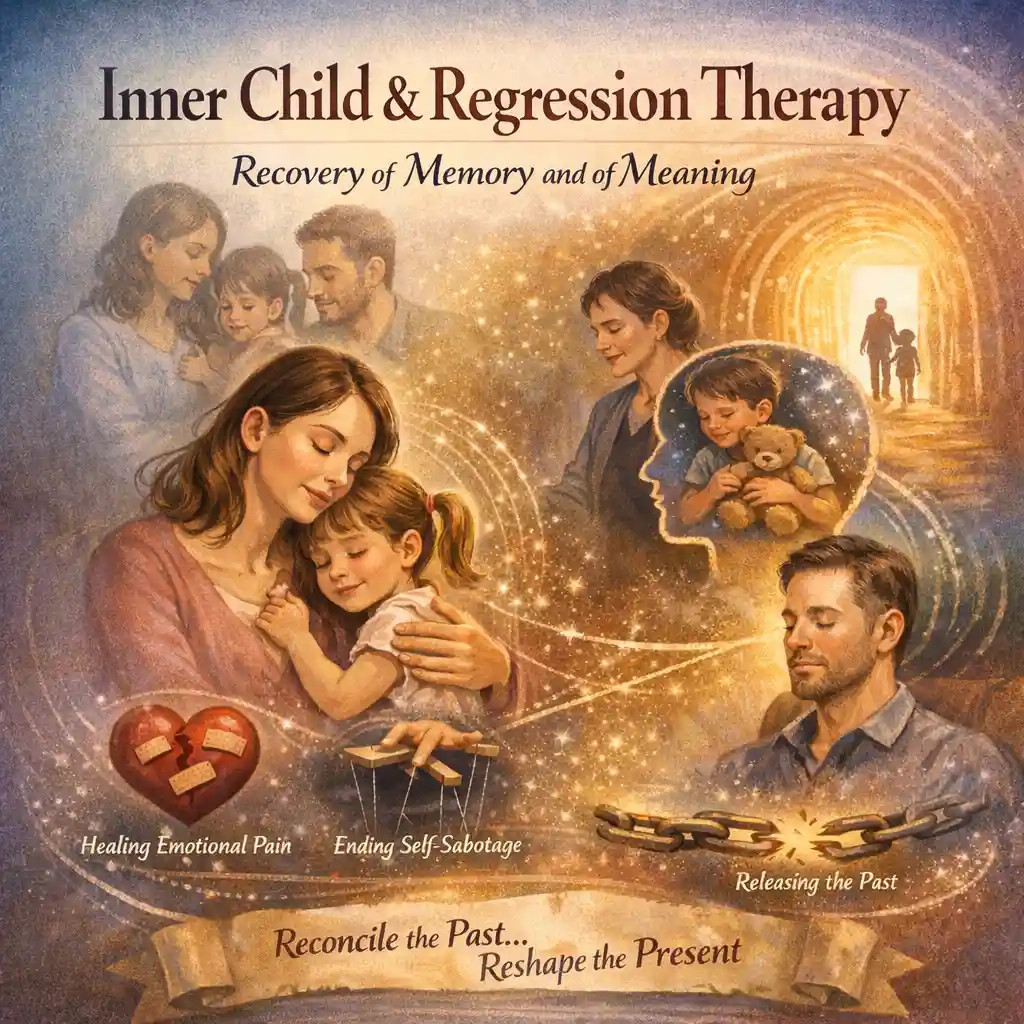
Inner Child/Regression Therapy: Recovery of Memory and of Meaning
Inner Child Therapy acts on behalf of the emotional impressions that were developed at an early age and that are transferred to adult behaviors, attachment styles, and self-esteem. Regression Therapy gets into the subconscious memory to clear emotional residues that are deep.
The strategies are especially effective with anxiety, self-sabotage, people-pleasing, relationship problems and persistent emotional pain whose source is not always obvious.
Reconciliation of the past will tend to reshape the present.
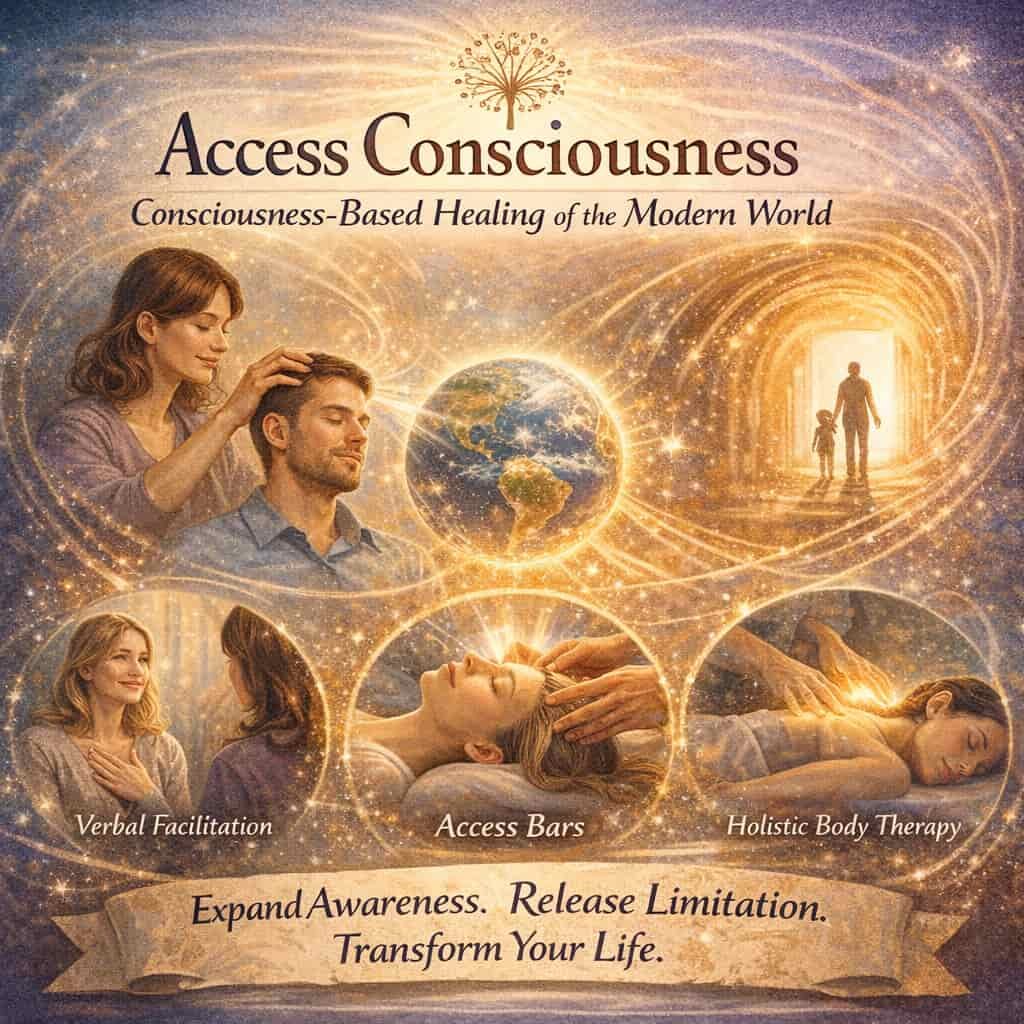
Access Consciousness: Consciousness-Based Healing of the Modern World
Access Consciousness is a mixture of verbal facilitation, body processes, and energetic methods which are meant to increase awareness and choice.
Other therapies like Access Bars allow an individual to silence mental noise, release stored stress in the body and a balance of the nervous system. This system of consciousness-based healing is very close to high-functional individuals who want to change but not through judgment and pathology.
The Healing Room: An Integrative Healing Center
The real value of the healing process in the modern world is no longer to select one form of healing rather than another. It is integration.
The Healing Room is a venue that integrative healing resides, and where psychology, neuroscience, emotional healing, body-based therapies and energy healing collide ethically and purposefully.
We unite depth therapy, systemic consciousness, consciousness practices and transformation through experience. Our practice is handcrafted, down-to-earth and self-sustaining as opposed to symptomatic or sacrificial.
Wellness Has a Future That Is Integrative
The future of good health is in integrative healing spaces that are respectful to science and consciousness. Where old old ways are made to change in a responsible way. Where mind-body and emotional truth, nervous system, and mind, meet.
At this intersection is the Healing Room.
Not as a clinic.
Not as a studio.
Yet as a biosphere ecosystem to live, to learn, to grow consciously.
Begin Your Healing Journey
Whether you seek therapy, emotional healing, resilience-building, energy healing, or professional training, The Healing Room offers pathways designed around your unique needs.
- Book a Clarity Call
- Explore Our Services
Your healing does not begin with fixing what is broken.
It begins with remembering that you were never fragmented to begin with.
Frequently Asked Question (FAQs)
Integrative healing is an approach that combines conventional medicine with holistic, mind-body, and energy-based therapies to address physical, emotional, and psychological wellbeing.
Alternative healing is often used instead of conventional medicine, while integrative healing blends complementary therapies with modern medical and psychological care.
Many integrative healing methods are supported by research in psychology, neuroscience, and stress physiology, particularly for stress reduction, pain management, and emotional wellbeing.
Integrative healing is commonly used to support stress, anxiety, burnout, chronic pain, emotional fatigue, sleep disturbances, and overall wellbeing.
No. Integrative healing is designed to complement, not replace, medical diagnosis and treatment, enhancing overall recovery and resilience.
It may include psychotherapy, energy healing, body-based therapies, Family Constellation Therapy, mindfulness practices, and consciousness-based modalities.
Individuals experiencing stress, emotional imbalance, burnout, life transitions, or those seeking deeper self-awareness and holistic wellbeing can benefit.
Yes. Many integrative approaches support emotional regulation, trauma healing, stress management, and nervous system balance.
Results vary depending on the individual, the concern being addressed, and the therapies used. Some experience shifts quickly, while deeper healing may take time.
Because it addresses the whole person – mind, body, and emotions – rather than isolated symptoms, promoting sustainable and preventive wellbeing.